Analyzing How Immediate Cashout Options Influence Loyalty Metrics in Online Poker Communities
Written by Erik Friedrich · May 30, 2026
Analyzing How Immediate Cashout Options Influence Loyalty Metrics in Online Poker Communities
Digital poker platforms have integrated instant withdrawal systems at an accelerating pace since 2024, and observers note that these features connect directly to measurable shifts in player retention across multiple markets. Data from industry tracking services shows platforms offering same-day or real-time payouts maintain higher monthly active user counts compared with those relying on traditional processing windows of 24 to 72 hours. Research indicates the correlation appears strongest among recreational participants who cite faster access to winnings as a primary reason for returning to specific sites.
Mechanics Behind Instant Withdrawal Adoption
Payment processors and poker operators have streamlined verification protocols, allowing users to link e-wallets or bank accounts that clear transactions in minutes rather than days. This technical shift requires upfront identity checks yet reduces friction once accounts receive approval, and analysts point out that completion rates for first withdrawals climb when processing occurs under one hour. Platforms in regulated North American and European jurisdictions report that adoption of these tools grew steadily through early 2026, with several major networks completing full rollouts by March of that year.
Operators achieve these speeds through partnerships with providers that handle automated compliance checks and instant ledger updates, while security layers such as multi-factor authentication remain in place. Those who have studied transaction logs observe fewer abandoned carts at the withdrawal stage when instant options appear alongside conventional methods, suggesting users appreciate having choices without mandatory delays.
Retention Data Patterns Across Communities
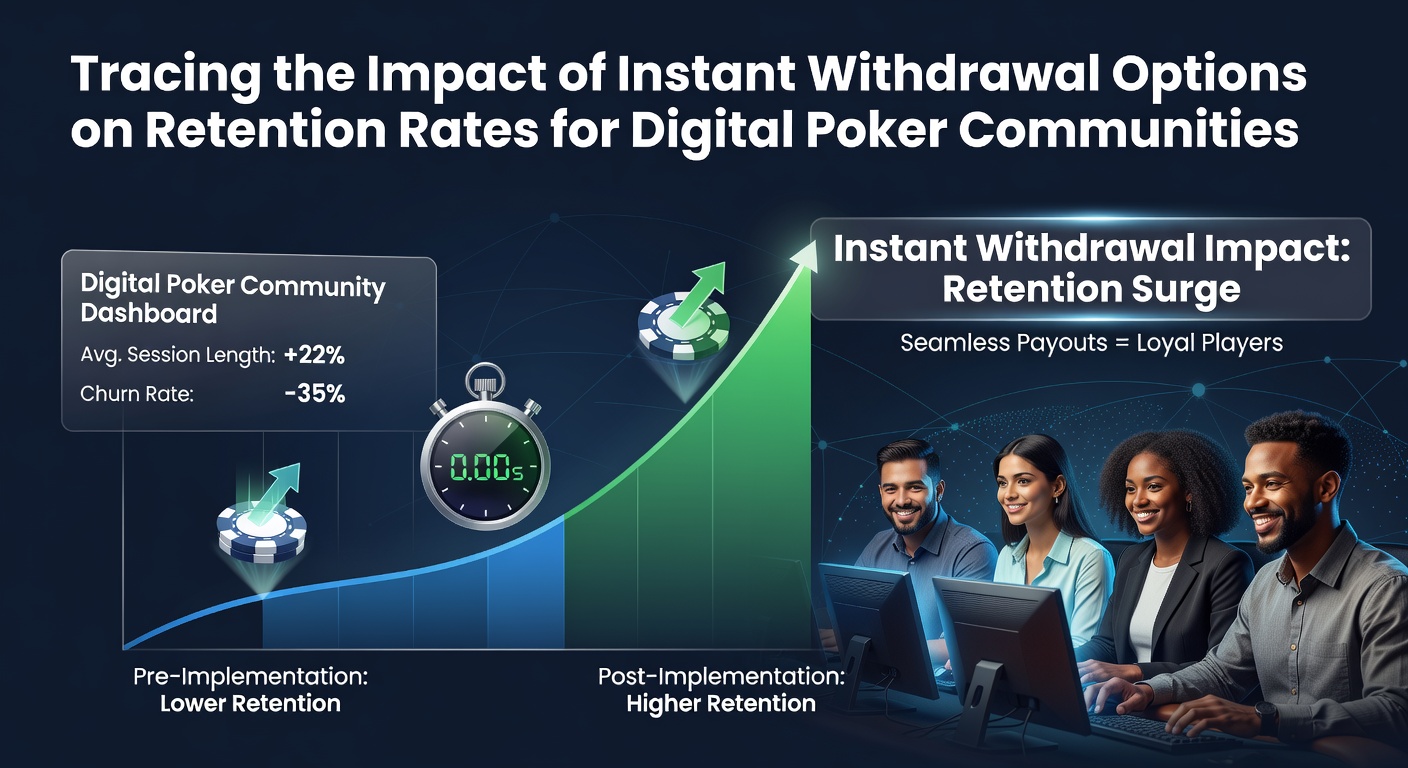
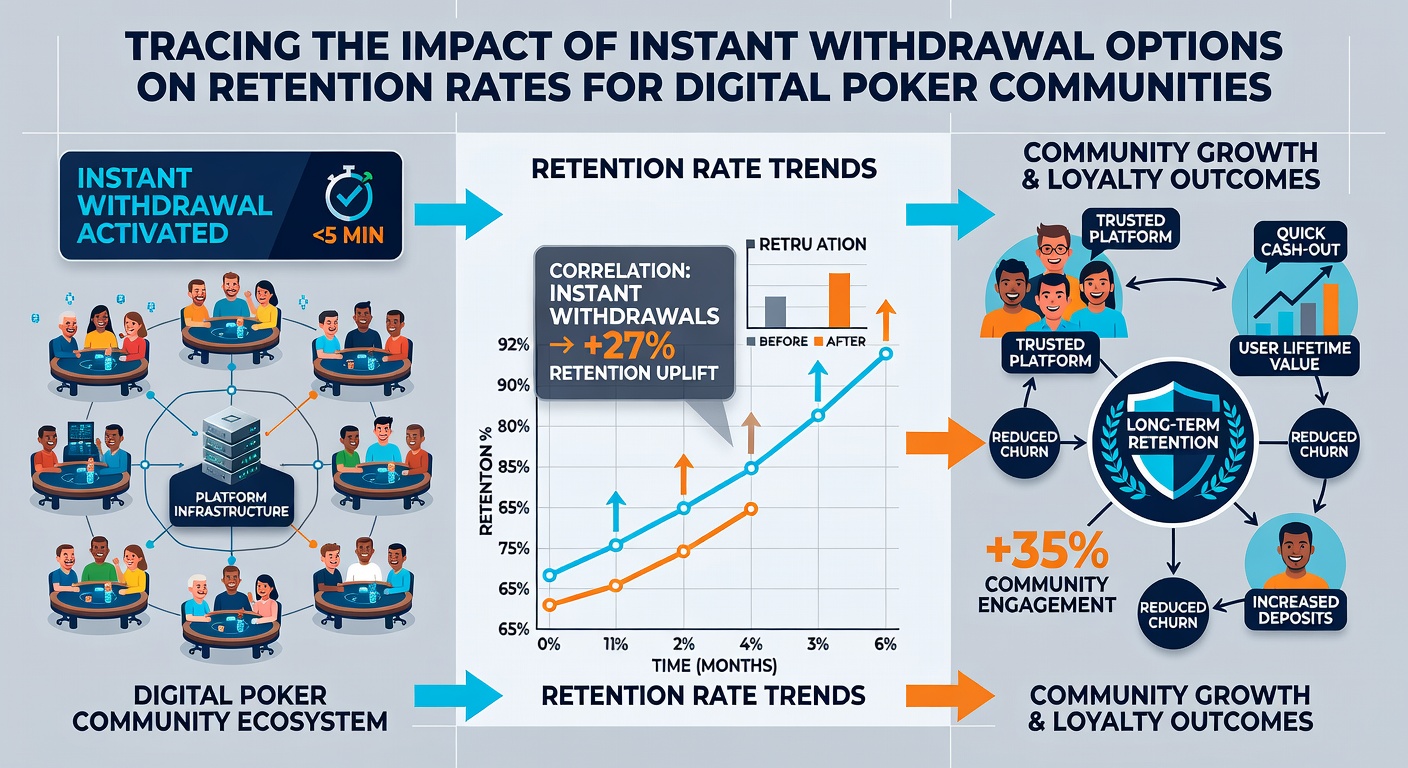
Figures compiled by research groups tracking online gambling behavior reveal that sites introducing instant withdrawals saw average session frequency rise between 18 and 27 percent within the first six months of implementation. Retention rates, measured as the percentage of players returning within 30 days of their initial deposit, improved most noticeably among users aged 25 to 40 who favored mobile play. One longitudinal review covering platforms active through May 2026 documented a 14 percent lift in repeat login activity tied specifically to accounts that completed at least one instant payout during the observation period.
Community forums and player surveys conducted by independent analysts further illustrate that trust in payout reliability influences decisions to remain on a given network rather than migrate elsewhere. When withdrawal times shorten, participants report lower instances of switching between multiple poker rooms, which in turn stabilizes overall community sizes on individual sites. Data indicates these effects hold across both cash game and tournament formats, although the impact registers more clearly in cash game populations where bankroll management occurs on shorter cycles.
Regional Variations and Regulatory Context
Markets with mature regulatory frameworks display the clearest links between payout speed and sustained engagement. In New Jersey, reports from the Division of Gaming Enforcement highlight that igaming operators with instant options retained higher percentages of poker traffic compared with those using legacy systems during the first quarter of 2026. Canadian provincial regulators have documented similar patterns in Ontario, where licensed platforms must publish average payout timelines and players respond by gravitating toward faster providers.
Australian oversight bodies, including the Australian Communications and Media Authority, track comparable metrics and note that operators advertising sub-hour withdrawals experience steadier user bases across state lines. These geographic differences underscore that local rules on verification and banking integration shape how quickly instant features translate into retention gains, yet the directional effect remains consistent wherever data collection occurs.
Operational Adjustments Operators Have Made
Poker networks responding to these trends have adjusted loyalty programs to reward accounts that utilize instant withdrawals, offering bonus credits or reduced rake after verified cashouts complete quickly. Backend teams monitor velocity of funds leaving the platform and balance it against deposit inflows to maintain liquidity, and several operators now provide real-time dashboards showing users their available balance and expected transfer time before they initiate requests. This transparency, combined with the technical capability for speed, appears to reduce support ticket volume related to payment queries.
Take one mid-sized European platform that implemented instant e-wallet options in late 2025; its internal metrics showed a measurable uptick in players converting from occasional visitors to weekly participants once withdrawal complaints dropped. Similar stories surface in North American markets where multi-state operators standardized instant processing across brands, resulting in consolidated user activity rather than fragmentation.
Future Tracking and Measurement Approaches
Researchers continue refining models that isolate withdrawal speed as an independent variable while controlling for factors such as game variety, promotional offers, and mobile optimization. Academic groups affiliated with gaming studies programs have begun publishing working papers that apply survival analysis techniques to large anonymized datasets, aiming to quantify exactly how many additional days of engagement each reduction in payout latency produces. Industry associations compile aggregate benchmarks that allow individual operators to compare their retention curves against peers, creating a feedback loop where best practices spread rapidly.
As of May 2026, several networks plan expanded testing of blockchain-based instant settlement layers that could further compress timelines, and preliminary pilots suggest additional retention lifts remain possible. Observers emphasize that continued data collection across diverse regulatory environments will clarify the boundaries of these effects and help distinguish payout speed from other engagement drivers.
Conclusion
Available evidence connects instant withdrawal functionality with improved retention statistics in digital poker communities, although the strength of that connection varies by market maturity and implementation quality. Platforms that have adopted these systems report sustained increases in return visits and session counts, supported by transaction records and player behavior studies. Ongoing measurement efforts by regulators, academics, and operators will determine how these patterns evolve as technology and policy continue to advance.