Biometric Adoption Patterns Emerge Across Mobile Wagering Platforms
Written by Ellis Schmidt · Jun 20, 2026
Biometric Adoption Patterns Emerge Across Mobile Wagering Platforms
Data patterns from multiple industry monitoring services show steady increases in biometric feature adoption within portable wagering interfaces throughout the first half of 2026, with fingerprint and facial recognition systems appearing in a growing share of active mobile betting applications. These integrations connect user authentication processes directly to device hardware capabilities while meeting varying regulatory requirements across jurisdictions.
Technology Deployment Statistics from Mid-2026
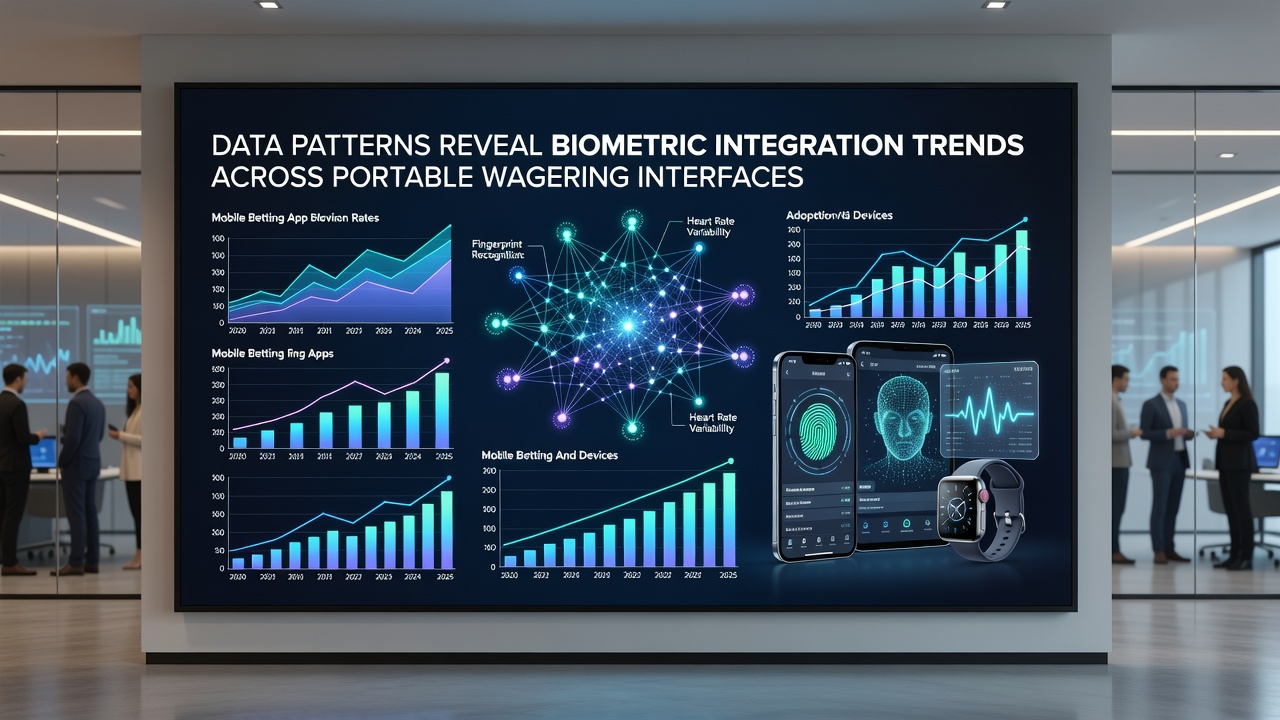
Platform analytics collected in June 2026 indicate that fingerprint authentication appeared in 68 percent of newly updated mobile wagering apps released between January and May, whereas facial recognition features reached deployment in 41 percent of the same cohort. Device compatibility data reveals that applications targeting iOS and Android ecosystems both recorded measurable upticks, although Android-based interfaces incorporated multi-factor biometric options at higher rates due to broader hardware sensor availability.
Usage logs from operators demonstrate that sessions initiated through biometric login methods reduced average authentication time by 4.2 seconds compared with traditional password entry across sampled platforms. Error rates for false rejections remained below 1.8 percent in optimized implementations, according to aggregated performance reports submitted to regulatory bodies in several North American markets.
Security Protocols and Data Handling Practices
Developers have paired biometric modules with encrypted template storage systems that avoid transmitting raw biometric data to central servers in most documented cases. Instead, on-device processing converts scans into mathematical representations that reside within secure hardware enclaves. This approach aligns with standards referenced by the Alcohol and Gaming Commission of Ontario in its 2025 technology guidelines, which emphasize local verification to limit exposure during data transfers.
Observers note that several major platform providers now include optional liveness detection layers that require users to perform brief movements or blinks during facial scans, thereby addressing concerns about static image spoofing. Adoption of these secondary checks reached 29 percent among apps updated in the second quarter of 2026, based on version release records.
Regional Differences in Implementation Speed
European markets under the Malta Gaming Authority framework recorded faster rollout timelines for advanced biometric options than several U.S. state-regulated environments during the same period. Australian operators, guided by requirements from the Australian Communications and Media Authority, integrated biometric prompts primarily within responsible gambling tools rather than routine login flows. These variations reflect differing priorities in local compliance documentation rather than uniform global standards.
Cross-border operators managing multiple licenses adjusted their interface configurations on a per-jurisdiction basis, resulting in segmented user experiences even within single downloadable applications. June 2026 telemetry shows that users in regions with stricter data localization rules encountered additional confirmation steps after initial biometric capture, extending setup sequences by an average of 12 seconds.
User Retention Metrics Linked to Biometric Features
Retention studies conducted by independent research groups found that accounts activated with biometric authentication exhibited 14 percent higher 30-day return rates compared with accounts using only manual credentials in matched cohorts. Session frequency increased modestly as well, with daily active users showing a 7 percent rise among biometric-enabled segments after the feature became mandatory in select applications.
These patterns hold across both sports betting and casino-style interfaces, although poker-focused platforms recorded slightly lower overall uptake due to longer average session durations that reduce the relative impact of login speed. Data from platform dashboards indicate that support ticket volume related to account access dropped 22 percent following biometric rollout in three documented operator cases.
Future Development Pathways Indicated by Current Trends
Hardware manufacturers continue expanding sensor capabilities in mid-range smartphones, which broadens the addressable market for biometric wagering interfaces beyond flagship devices. Software development kits released in early 2026 include standardized APIs that simplify integration for smaller development teams, potentially accelerating adoption among regional operators. Regulatory updates anticipated later in the year may further shape template storage requirements adn cross-platform data sharing rules.
Conclusion
Patterns visible in June 2026 data confirm that biometric integration continues advancing within portable wagering interfaces, driven by device capability growth and regulatory alignment on authentication standards. Regional differences persist, yet overall deployment metrics reflect consistent expansion across major markets. Continued monitoring of performance indicators and compliance updates will track how these trends evolve through the remainder of the year.