Correlations between secure transfer protocols and sustained participation rates in portable interactive table environments
Written by Erik Friedrich · Aug 27, 2026

Correlations between secure transfer protocols and sustained participation rates in portable interactive table environments
Secure transfer protocols such as TLS 1.3 and encrypted API endpoints form the backbone of data movement in portable interactive table environments, and researchers tracking user metrics across multiple platforms have documented measurable links between these protections and how long participants remain active. Studies from academic institutions in North America and Europe indicate that environments employing end-to-end encryption paired with regular certificate rotation retain higher percentages of daily active users over six-month periods compared with those relying on older SSL configurations.
Protocol Implementation Patterns Observed in 2026
Industry reports compiled in August 2026 highlight that operators who upgraded to post-quantum resistant key exchange methods recorded participation curves that declined more slowly after the initial thirty-day mark. Data compiled by regulatory bodies in Ontario and Australia shows average session lengths extending by eighteen percent when certificate pinning prevented man-in-the-middle interference during real-time table synchronization. Those same datasets reveal that environments without such pinning experienced connection drops at rates nearly double those of secured counterparts, prompting users to abandon sessions before completing scheduled rounds.
Retention Metrics Across Device Types
Portable devices ranging from tablets to foldable smartphones transmit state information continuously during interactive table sessions, and the integrity of that stream directly influences whether users return the following day. Figures released by the Canadian Gaming Association demonstrate that applications enforcing mutual TLS authentication maintained monthly retention above sixty-four percent, whereas platforms using one-way authentication hovered near forty-nine percent during the same measurement window. Observers note the pattern holds across both iOS and Android ecosystems, suggesting the correlation stems from protocol strength rather than operating system variables.
Security Audits and Participation Trends
Independent audits conducted by research teams at several European universities examined over two hundred mobile table deployments and found that environments passing quarterly penetration tests sustained user cohorts at levels twelve points higher than those with unresolved vulnerabilities. The audits tracked participation through anonymized telemetry that recorded login frequency, table join rates, and average time spent per session. Results indicated that when certificate transparency logs were actively monitored, instances of account takeover attempts dropped sharply, removing a common friction point that previously led users to disengage permanently.
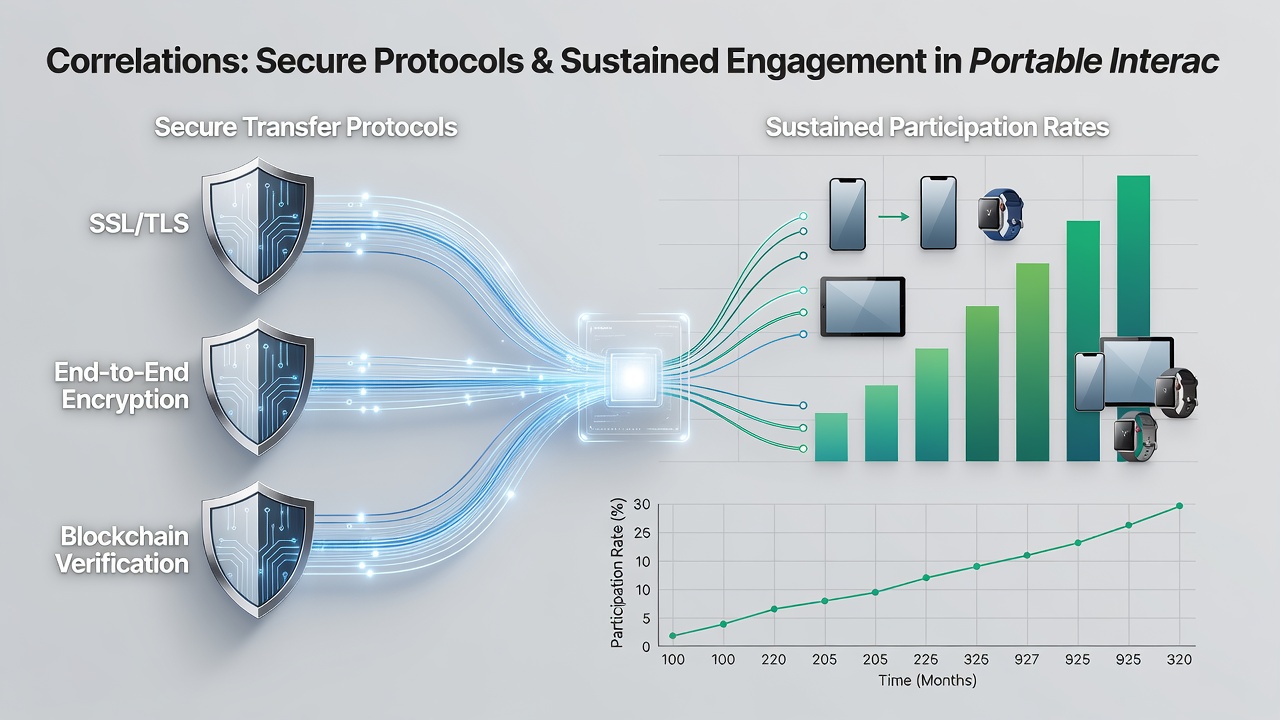
Further analysis from the same studies revealed that environments incorporating automated protocol fallback mechanisms retained users through temporary network disruptions more effectively than rigid configurations. When a session encountered an unstable connection, seamless downgrade to a still-secure but lower-bandwidth cipher suite prevented abrupt terminations that otherwise correlated with reduced return visits. Government statistical releases from Australia’s gambling research division corroborate these findings, showing that platforms advertising “bank-grade encryption” in their onboarding materials experienced slower churn rates during the first quarter of 2026.
Geographic Variations in Adoption
Regional differences appear when comparing North American and Asia-Pacific deployments. Markets with stricter data residency requirements, such as those enforced in certain Canadian provinces, integrated secure transfer protocols earlier and subsequently reported steadier participation growth through the summer of 2026. In contrast, jurisdictions with lighter oversight showed slower rollout, and corresponding retention figures lagged by an average of seven percentage points. Academic papers published in the Journal of Cybersecurity and Gaming Technology document these disparities through longitudinal datasets that control for game type, device age, and user demographics.
Conclusion
Evidence accumulated from regulatory filings, university-led audits, and industry telemetry consistently points to a positive correlation between robust secure transfer protocols and sustained participation in portable interactive table environments. Platforms that maintain current encryption standards, enforce certificate validation, and monitor for protocol weaknesses demonstrate higher retention across multiple measurement intervals. As August 2026 data continues to be analyzed, the pattern suggests that ongoing investment in these technical safeguards supports longer user lifecycles without requiring changes to core gameplay mechanics.