Cross-Border Regulatory Shifts Reshaping International Sports Wagering Markets
Written by Alex Neumann · May 28, 2026
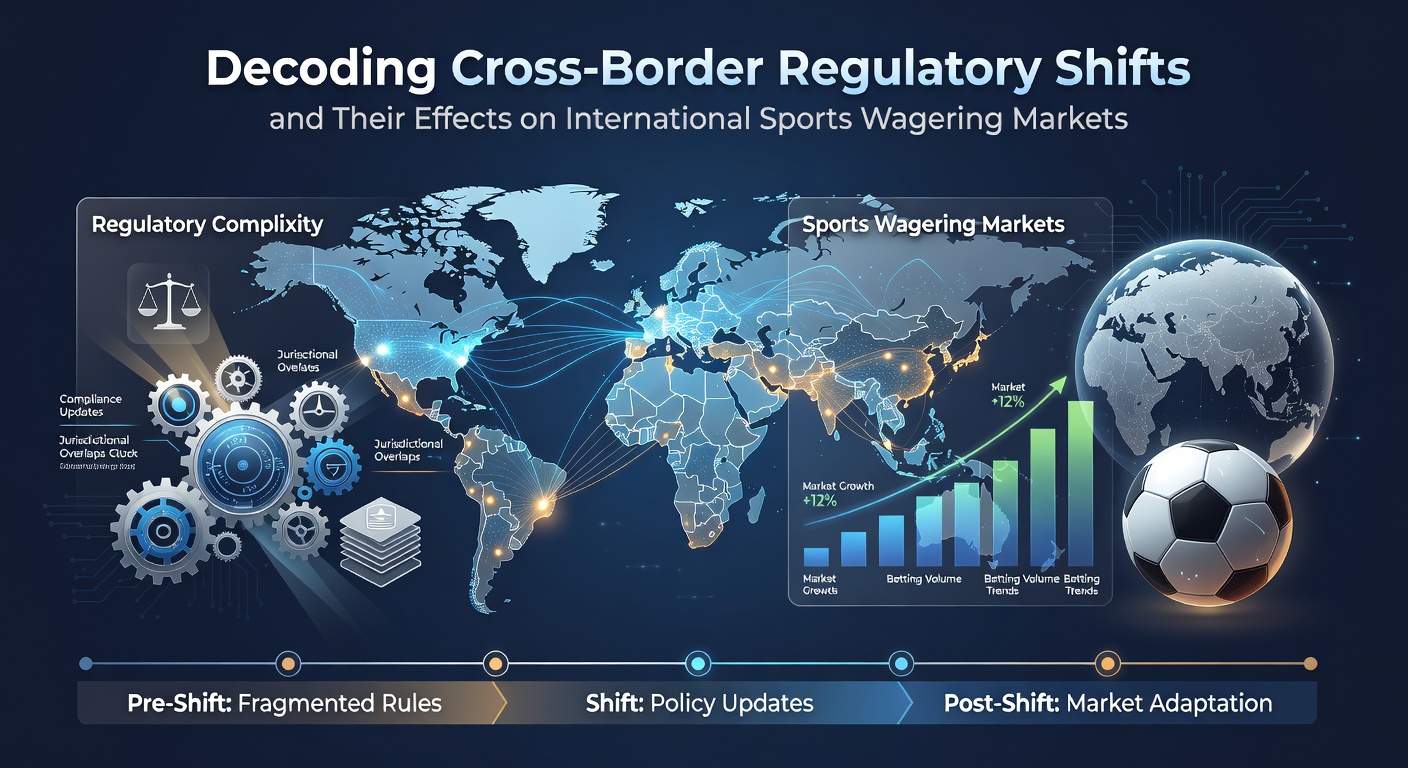
Cross-Border Regulatory Shifts Reshaping International Sports Wagering Markets
Regulatory frameworks governing sports wagering continue to evolve across multiple jurisdictions, creating layered compliance requirements that operators must navigate when serving international audiences, and these changes influence everything from licensing protocols to payment processing standards in markets spanning Europe, North America, and Asia-Pacific regions.
Data from industry monitoring groups shows that operators handling multi-jurisdictional traffic face increased scrutiny on know-your-customer procedures and responsible gambling measures, while jurisdictions like those in the European Union have introduced updated directives that standardize consumer protections yet leave room for member states to impose additional local rules.
Recent Developments Across Key Regions
European authorities finalized amendments in early 2026 that tighten advertising restrictions on live betting during major sporting events, and these measures require operators to segment user bases more precisely based on location data, whereas Canadian provinces such as Ontario expanded their regulated frameworks to include stricter age verification for cross-provincial play.
Australian regulators, through bodies like the Australian Communications and Media Authority, implemented new reporting obligations for offshore betting sites targeting domestic users, and this approach has prompted several international platforms to restructure their market access strategies to avoid penalties while maintaining service continuity.
Operational Impacts on Market Participants
Operators report higher costs associated with legal consultations and technology upgrades needed to track shifting tax obligations, yet revenue figures from regulated markets indicate sustained growth in handle volumes despite these hurdles, as seen in data released by the Nevada Gaming Control Board for the first quarter of 2026.
Payment processors have adapted by deploying geo-fencing tools that automatically route transactions through compliant channels, and this technical layer helps reduce chargeback risks while ensuring adherence to sanctions lists updated periodically by international bodies.
Player Access and Market Fragmentation
Users in regions with newly imposed licensing regimes often encounter delays when attempting to access platforms licensed elsewhere, since operators must now verify that each session originates from an approved jurisdiction before allowing wagers on events like football matches or tennis tournaments.
Research published by academic centers tracking gambling behaviors notes that fragmentation can lead to increased use of virtual private networks among some player segments, although enforcement actions have intensified in May 2026 to curb such circumvention methods across several Asian markets.
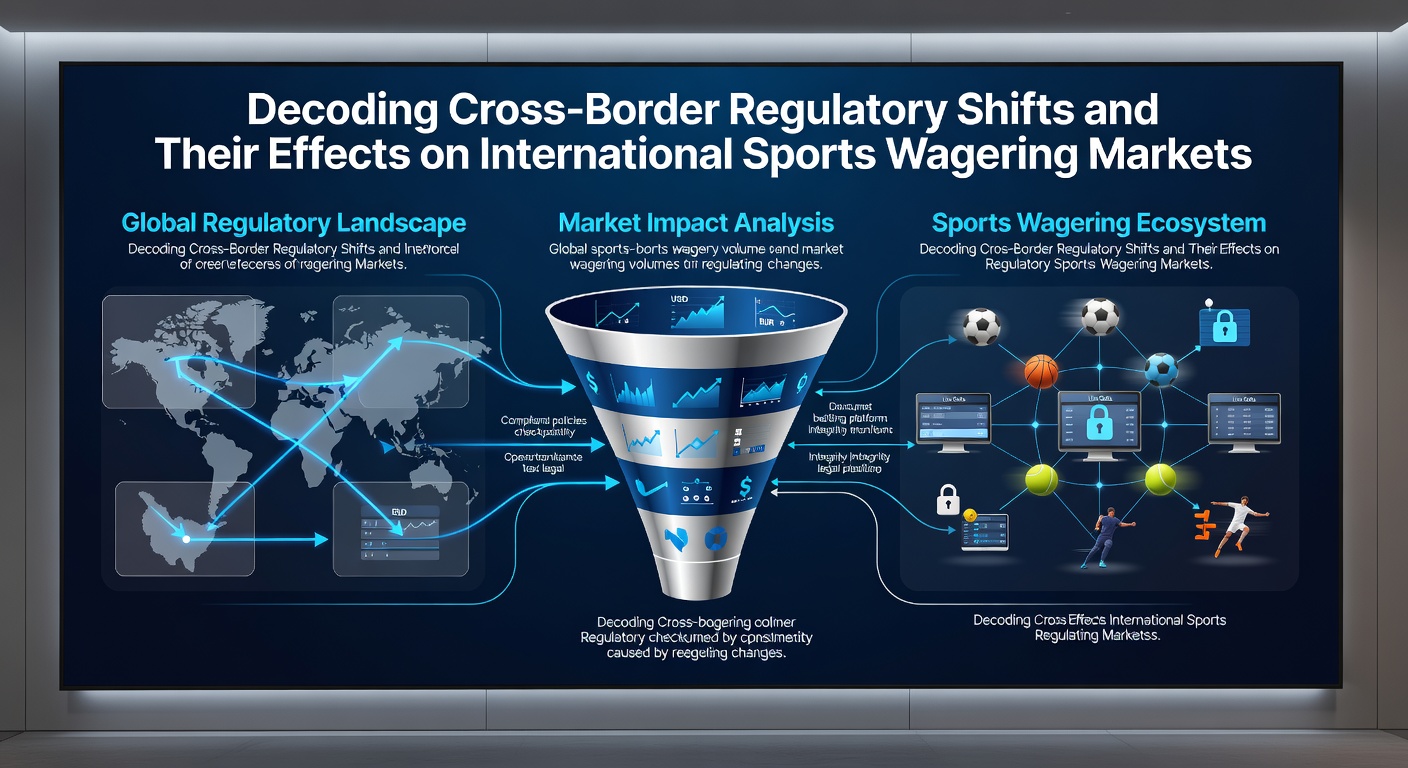
Technology and Compliance Adaptations
Companies have invested in blockchain-based audit trails that provide immutable records of user activity, allowing regulators from different countries to review transactions without compromising data privacy standards set by frameworks such as the EU's General Data Protection Regulation.
Partnerships between software providers and academic research institutions have produced predictive models that flag potential regulatory breaches in real time, and these tools have proven effective in reducing violation incidents according to reports from the Alcohol and Gaming Commission of Ontario.
What's interesting here is how smaller operators leverage shared compliance platforms to pool resources, while larger entities build proprietary systems that integrate directly with government databases in multiple territories simultaneously.
Looking Ahead to Mid-2026 Trends
Projections based on filings from major exchanges suggest continued consolidation among betting firms as they seek economies of scale to absorb compliance expenses, and observers note that jurisdictions in Latin America are beginning to align their emerging rules more closely with established European standards to attract foreign investment.
Stakeholders continue to monitor announcements expected in the coming months regarding potential harmonization efforts among G20 nations, which could further streamline cross-border operations if adopted.
Conclusion
Cross-border regulatory shifts present ongoing challenges and opportunities for participants in international sports wagering, with operators adapting through enhanced technology and strategic market selections while players experience varying levels of access depending on their location.
Continued monitoring of official updates from regional authorities remains essential for all involved parties to maintain compliant operations amid this dynamic environment.