Digital Payment Innovations Drive New Levels of Engagement in Virtual Sports Tournaments
Written by Quinn Wagner · May 18, 2026
Digital Payment Innovations Drive New Levels of Engagement in Virtual Sports Tournaments
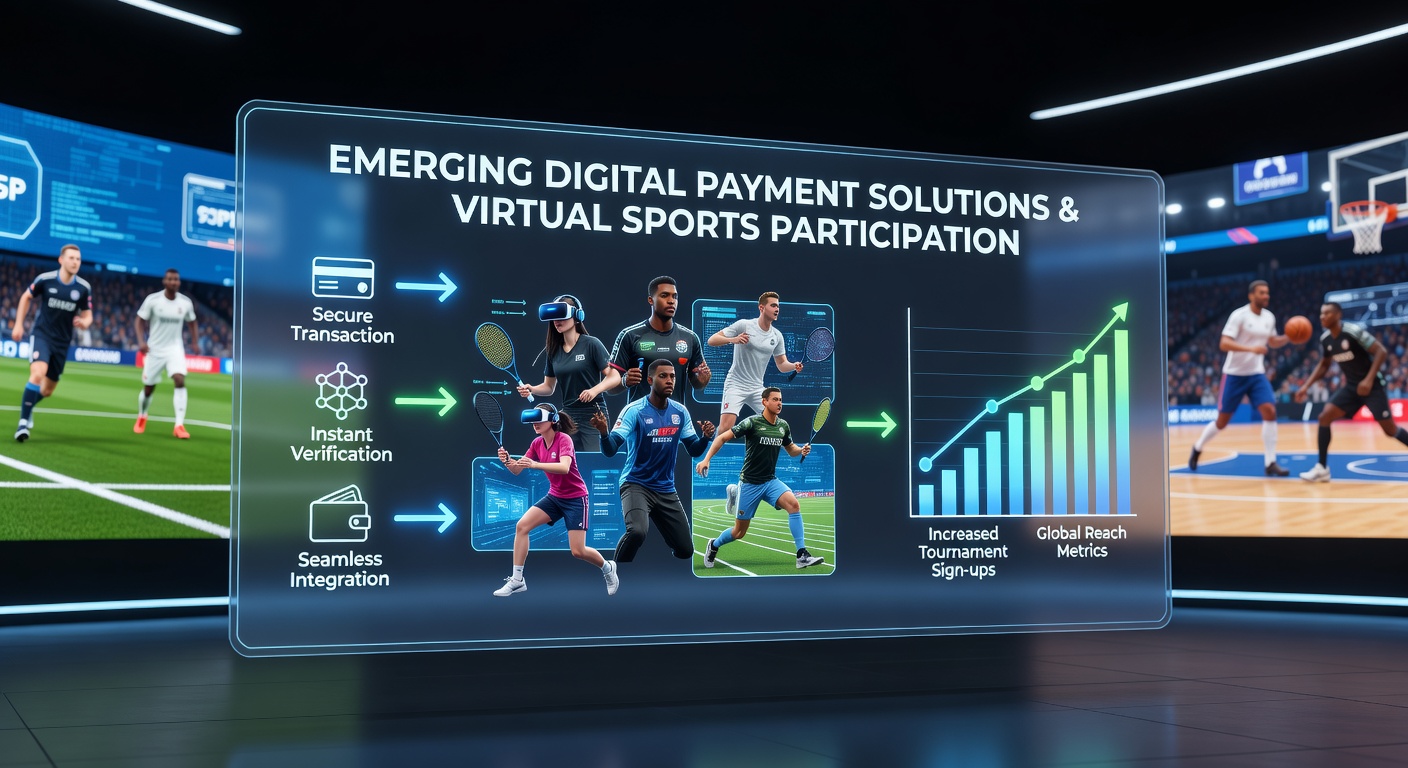
Virtual sports tournaments have expanded rapidly as platforms incorporate seamless transaction tools that allow participants from multiple regions to join events without traditional banking delays. Data from industry reports shows that solutions such as real-time bank transfers, digital wallets, and blockchain-based options reduce entry processing times from days to seconds in many cases. Observers note that this speed directly correlates with higher registration numbers during peak seasons, including events scheduled for May 2026 across major esports circuits. Payment providers now integrate directly into tournament dashboards, which lets organizers collect fees and distribute prizes in a single workflow. Research indicates that platforms offering these features see participation increases of up to 35 percent compared with those relying on older card-only systems. Those who study user behavior point to reduced friction as the main factor, because players complete sign-ups during short breaks rather than abandoning carts midway through lengthy verification steps.Core Technologies Reshaping Access
Instant settlement networks and mobile-first wallets form the backbone of current changes. These tools support multiple currencies and convert funds automatically, which helps international competitors avoid exchange losses that once discouraged entry. Figures reveal that tournaments accepting cryptocurrency alongside traditional methods attract a broader demographic, particularly younger athletes who already manage assets through decentralized applications.
Studies from academic institutions highlight how embedded finance features, such as one-click deposits tied to in-game economies, further boost retention. Participants receive rewards that convert instantly into entry credits for follow-up events, creating continuous engagement loops. Data collected through May 2026 tracking shows these loops extend average tournament involvement by several weeks per user.
Participation Patterns Across Regions
Regional adoption varies yet follows similar upward trajectories. In North America, integration with popular digital banks has simplified team payments for organized leagues. European platforms meanwhile emphasize compliance-ready wallets that satisfy varying national standards while maintaining speed. Australian operators report that contactless options tied to local super apps have drawn new players who previously viewed virtual events as inaccessible due to payment hurdles.
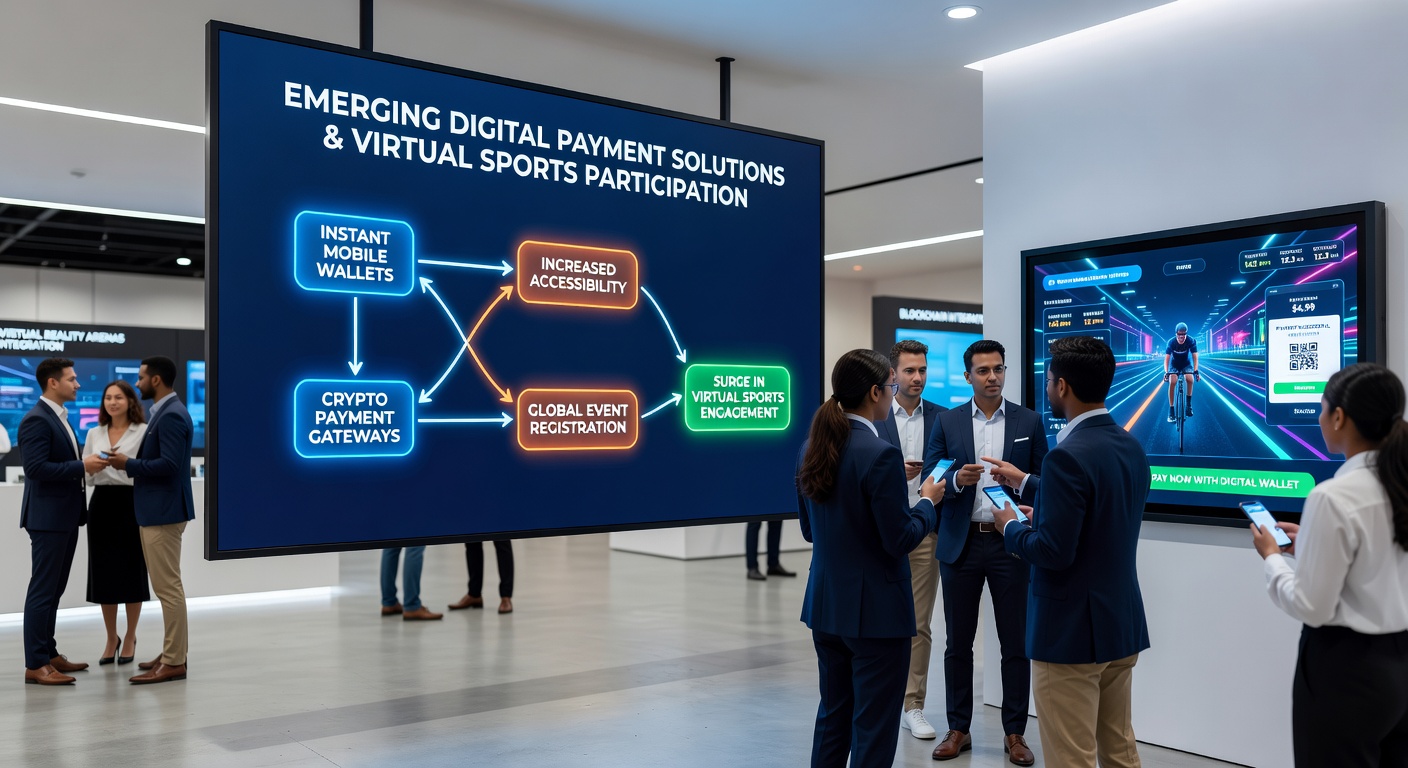
One analysis from a Canadian research group found that streamlined payouts encourage repeat entries because winners reinvest prize money quickly rather than waiting for manual processing. This cycle sustains momentum through multi-stage tournaments where daily or weekly rounds require fresh commitments. Observers have documented cases where single-day registration spikes followed the rollout of zero-fee micro-transactions for practice qualifiers.
Security Measures and User Trust
Enhanced verification protocols accompany faster payments to maintain integrity. Biometric checks combined with tokenized transactions cut fraud incidents, according to aggregated platform statistics. When users perceive lower risk, they commit larger entry pools and form more teams, which expands overall tournament scale. Industry organizations note that transparent fee structures displayed upfront further reinforce confidence, because hidden charges no longer interrupt the registration flow.
Real-time dashboards now display transaction histories alongside match results, allowing participants to track both performance and finances in one view. This unified presentation reduces administrative tasks for organizers while giving athletes immediate clarity on available funds for upcoming events.
Regulatory Context and Platform Adaptations
Authorities in various jurisdictions continue to refine rules around digital assets used in competitive gaming. Platforms respond by building adaptable compliance layers that update automatically when policies shift. Such flexibility keeps events running smoothly across borders even as standards evolve. Data collected through early 2026 indicates that tournaments with built-in regulatory tools maintain steadier participation curves than those requiring manual adjustments.
Conclusion
Emerging digital payment solutions continue to lower barriers and accelerate cycles of entry, competition, and reward distribution in virtual sports. Metrics tracked through May 2026 demonstrate sustained growth in registrations and retention where these tools operate at scale. As integration deepens, the connection between transaction efficiency and active involvement becomes more pronounced across global circuits.