Examining Bankroll Allocation Patterns Among Frequent Participants in Hybrid Gaming Applications
Written by Erik Friedrich · Aug 22, 2026
Examining Bankroll Allocation Patterns Among Frequent Participants in Hybrid Gaming Applications
Hybrid gaming applications that combine casino games with sports betting features have seen steady user growth through 2026, and data collected during August shows distinct patterns in how frequent participants divide their available funds. Researchers tracking activity across multiple platforms note that users often maintain separate segments for different game types rather than treating the entire balance as a single pool, with allocation decisions influenced by session length, game volatility, and payout timing.
Observed Distribution Trends
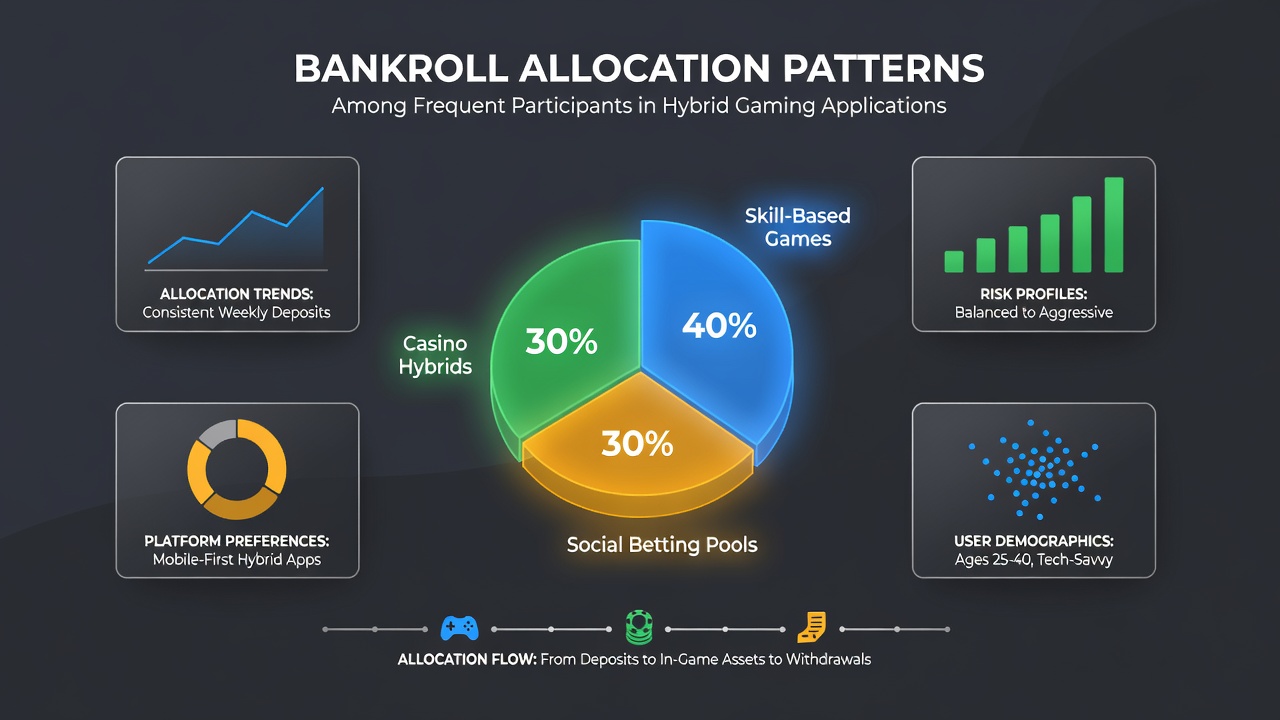
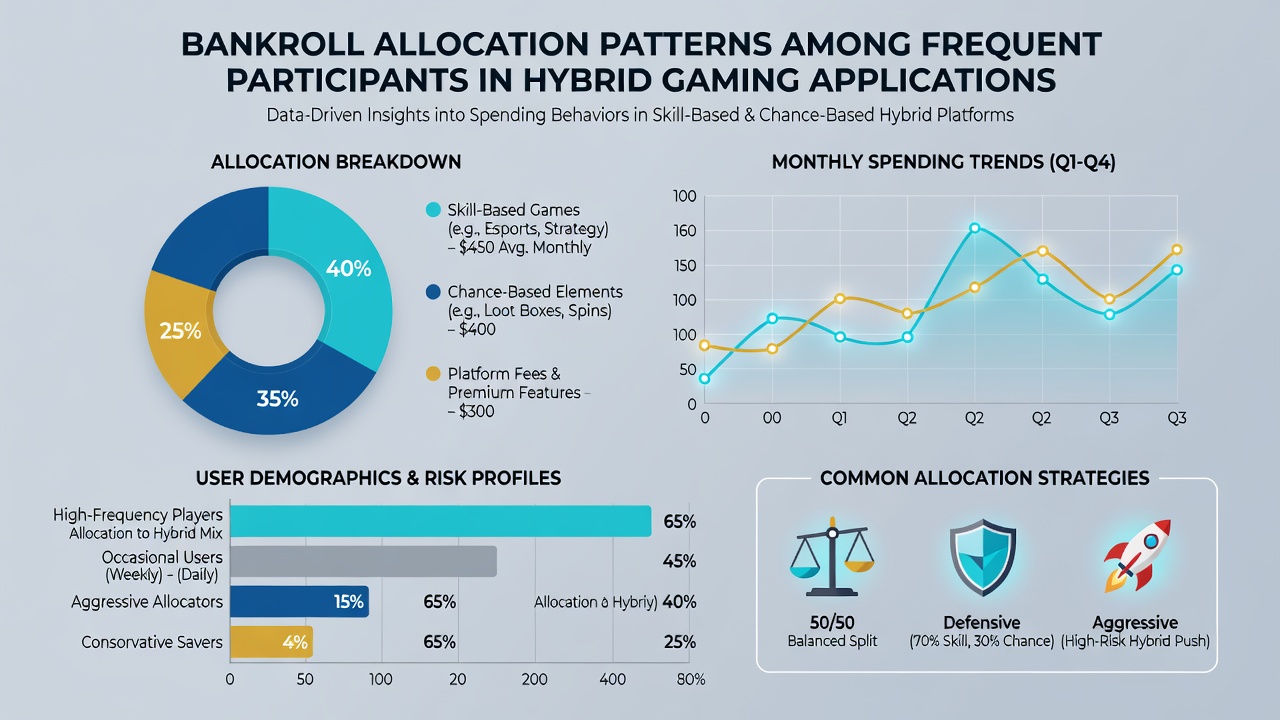
Studies conducted by independent analytics firms reveal that participants typically assign between 35 and 45 percent of their total bankroll to slot and table game sections while directing 25 to 35 percent toward live sports and virtual betting markets, leaving the remainder in reserve accounts for quick cashout options or promotional play. These divisions appear consistent across regions where hybrid apps operate under regulated frameworks, including data reported from North American operators and cross-referenced with European market summaries.
One analysis of transaction logs from major platforms indicated that users who engage daily adjust their percentages more frequently than weekly participants, shifting funds toward higher-volatility options after consecutive wins while pulling back into lower-risk categories following losses. The same reports highlight that cashout speed influences these shifts, since immediate withdrawal tools allow users to reallocate remaining balances without waiting periods that might otherwise lock capital into specific game categories.
Factors Shaping Allocation Decisions
Platform features such as integrated loyalty programs and real-time odds updates play measurable roles in how funds get divided. Data shows users respond to bonus structures by moving portions of their bankroll into qualifying games to meet wagering requirements, often resulting in temporary spikes in allocation to casino sections during promotional windows. Sports betting segments receive increased shares when major events approach, particularly those with extended schedules that permit multiple small wagers rather than single large bets.
Payment innovation trends documented in industry reports further affect these patterns, as digital wallets integrated into hybrid apps enable seamless transfers between casino and sports modules without external processing delays. According to findings from the Canadian Gaming Association, platforms offering instant internal transfers recorded higher average daily allocation adjustments compared with those requiring separate logins or additional verification steps for each category.
Security settings and account verification levels also contribute, since users with fully verified profiles tend to maintain larger reserve portions that they can quickly move across categories without additional checks. Observers tracking user behavior note that these verified accounts display more balanced distributions overall, whereas newer profiles concentrate funds in fewer game types until familiarity increases.
Regional Variations and Platform Differences
Allocation habits vary by jurisdiction because regulatory requirements shape available features and payout structures. Markets in Australia and certain Canadian provinces show stronger emphasis on sports betting segments during peak seasons, while U.S. state-licensed apps record steadier casino allocations year-round. Research from academic institutions studying online gambling behavior supports these geographic distinctions, linking them to differences in tax treatment and responsible gaming tool availability across borders.
Platform age and user interface design further influence outcomes. Newer applications with streamlined navigation between casino and sports sections facilitate more fluid reallocations, whereas established apps with segmented menus encourage users to commit funds to one area for longer stretches. Transaction volume data collected through August 2026 confirms that apps updating their interfaces to reduce category-switching friction experienced measurable increases in cross-category fund movement among frequent users.
Conclusion
Bankroll allocation patterns in hybrid gaming applications reflect a combination of user habits, platform capabilities, and regulatory environments rather than random choices. Data gathered through mid-2026 demonstrates consistent segmentation strategies among regular participants, with adjustments driven by promotions, event schedules, and payment features. Continued monitoring by research organizations and gaming associations will provide further clarity on how these distributions evolve alongside technological and policy developments.