Mapping Secure Digital Transfers to Activity Patterns in Mobile Wagering Platforms
Written by Ellis Schmidt · Jun 4, 2026
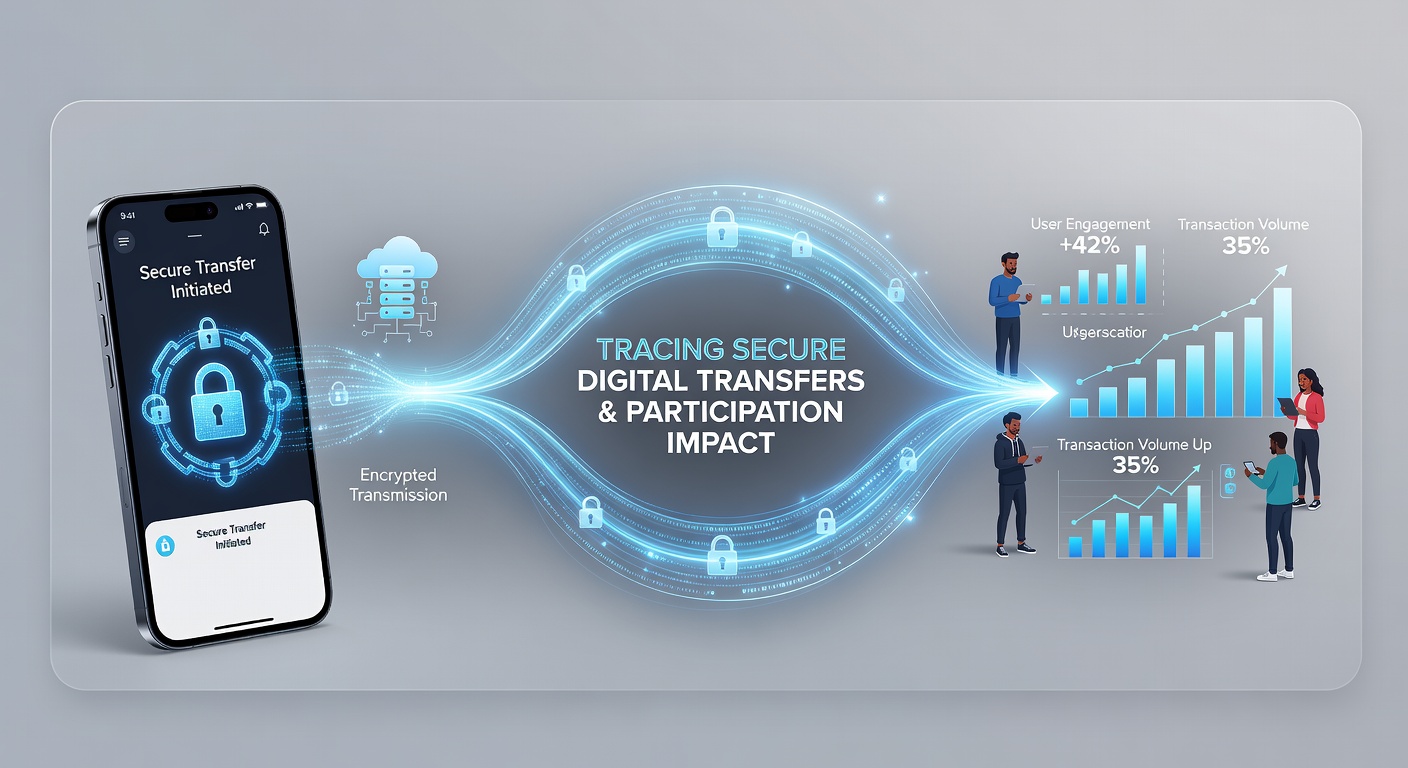
Mapping Secure Digital Transfers to Activity Patterns in Mobile Wagering Platforms
Secure digital transfers have become central to how users interact with portable wagering applications, and data from multiple markets shows measurable shifts in participation levels tied directly to payment security features. Operators track transaction completion rates, user retention after first deposits, and session frequency when encryption standards or multi-factor authentication protocols change. In June 2026, several platforms reported that upgrades to real-time verification systems coincided with sustained increases in daily active accounts across both sports and casino-style offerings.
Payment Security Features and User Onboarding
Portable wagering applications rely on protocols such as tokenization, end-to-end encryption, and biometric confirmation to protect account balances during deposits and withdrawals. When these measures operate without friction, new users complete registration-to-first-bet sequences at higher rates. Observers note that platforms implementing instant bank verification through open banking APIs in Canada recorded faster account funding compared with regions still dependent on manual card entry. One industry dataset indicated that average time from download to active wagering dropped by several minutes after security layers were streamlined, and repeat logins rose correspondingly in the following weeks.
Researchers tracking user cohorts found that accounts protected by hardware-based authentication maintained longer activity streaks. These accounts also generated more deposit events per month than those using only password-plus-SMS combinations. The pattern held across age groups, although younger cohorts showed stronger uptake of biometric options while older users preferred one-time passcodes delivered through dedicated apps.
Transaction Speed, Trust, and Retention Metrics
Speed of fund movement influences whether participants return after an initial session. When withdrawals process in under an hour rather than several business days, activity logs show elevated return rates within 48 hours. European operators that adopted SEPA Instant protocols documented higher loyalty scores among users who completed at least one successful withdrawal. In parallel, markets without instant options recorded more accounts that funded once and then remained dormant.
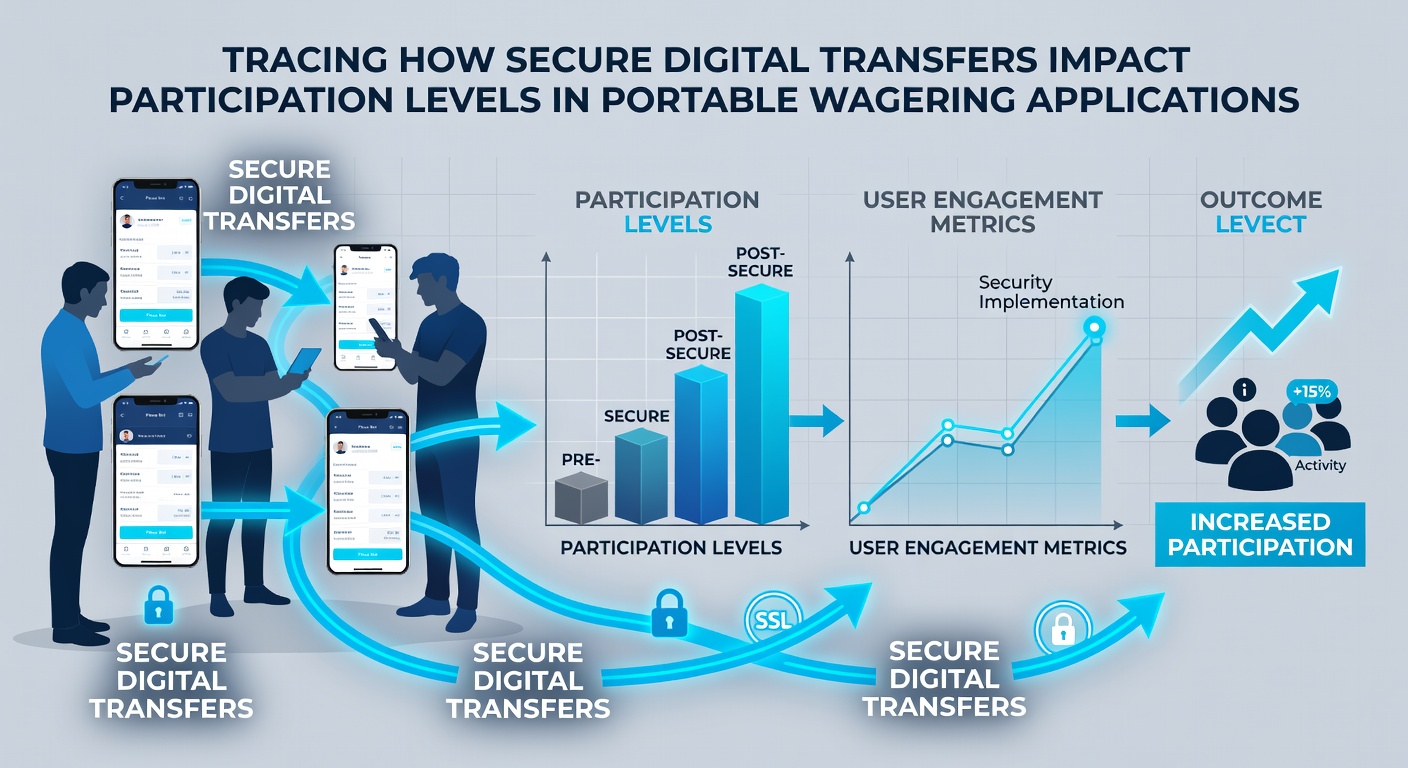
Data from the New Jersey Division of Gaming Enforcement through April 2026 illustrated that igaming and sports betting revenue climbed when platforms highlighted certified security badges on deposit screens. Users who viewed these indicators before completing transactions displayed longer average session durations. Similar patterns appeared in Australian regulatory filings, where operators reporting upgraded fraud-detection systems also logged increased monthly handle per active account.
Regional Variations in Security Standards and Participation
Different jurisdictions apply distinct requirements for digital transfers, and participation curves reflect those differences. Canadian provinces that mandated two-factor authentication for all wagering accounts saw steady account growth even as total transaction volume per user remained stable. In contrast, certain U.S. states that permitted single-factor options for smaller amounts experienced higher churn after the first month. Operators adjusted interfaces accordingly, adding optional security prompts that users could enable without interrupting play flow.
Academic analyses from research teams at the University of Nevada, Las Vegas examined six months of anonymized transaction logs and identified a clear threshold effect: once withdrawal success rates exceeded 95 percent within the same day, overall participation frequency increased across the observed sample. The study also noted that security-related support tickets declined after platforms introduced in-app scam alerts and transaction confirmation pop-ups.
Future Infrastructure and Ongoing Measurement
Emerging standards such as decentralized identity verification and quantum-resistant encryption are entering pilot phases with selected mobile wagering providers. Early tests indicate that these additions do not reduce participation when implemented with clear user communication. Regulators in multiple regions continue to require public reporting of security incident rates, and those figures now appear alongside participation statistics in quarterly summaries. Observers expect continued correlation analysis between transfer reliability and user engagement metrics as new protocols roll out through the second half of 2026.
Conclusion
Secure digital transfers shape participation levels in portable wagering applications through measurable effects on onboarding speed, retention after withdrawals, and trust signals displayed during transactions. Regional regulatory data and platform analytics from June 2026 onward continue to document these relationships across varied markets and user demographics.