Regulatory Evolution Redefining Cross-Platform Player Pathways in Digital Wagering Landscapes
Written by Erik Friedrich · Jun 8, 2026
Regulatory Evolution Redefining Cross-Platform Player Pathways in Digital Wagering Landscapes
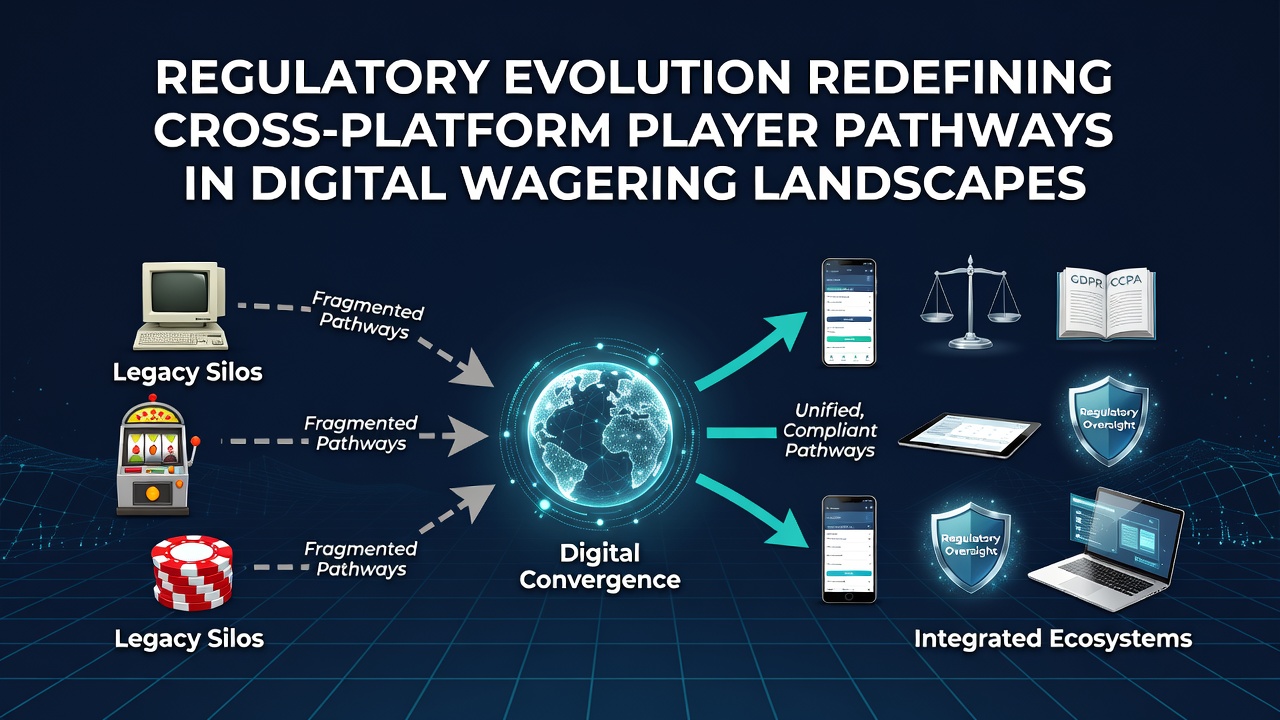
Regulatory bodies in multiple jurisdictions have introduced layered updates since early 2025 that directly influence how players move between mobile applications, desktop interfaces, and operator ecosystems in digital wagering, with several provisions taking full effect during June 2026, and these adjustments require operators to synchronize identity verification systems while maintaining separate licensing tracks for each platform type.
Framework Adjustments Across Key Markets
Data compiled by the Australian Communications and Media Authority shows that cross-border data sharing protocols now mandate real-time player status updates whenever an account transitions from one device environment to another, and this requirement stems from amendments finalized in late 2025 that link account portability to enhanced anti-money laundering checks. Operators must therefore embed API endpoints that communicate eligibility flags without exposing full transaction histories, which has prompted software vendors to release compliance modules tailored for multi-platform deployment.
The Pennsylvania Gaming Control Board released guidance in May 2026 clarifying that interstate player pathways remain restricted unless both jurisdictions maintain reciprocal recognition agreements, and these rules apply specifically to sports wagering applications that allow seamless login from in-state mobile networks to out-of-state desktop sessions. Compliance teams report that testing cycles for these integrations now extend an average of eight weeks longer than previous single-platform rollouts because each pathway segment triggers independent audit trails.
Verification and Portability Mechanics
Player account portability has become the central focus of these evolving standards because regulators now tie licensing renewals to documented success rates in preventing duplicate accounts across platforms, and studies from the National Center for Responsible Gaming indicate that synchronized geolocation and device fingerprinting reduce unauthorized access incidents by measurable margins when implemented uniformly. Yet the technical burden falls on operators to maintain separate wallet ledgers that reconcile through encrypted bridges rather than unified databases, which preserves jurisdictional boundaries while permitting user movement.
Observers note that June 2026 marks the first full reporting period under these revised portability rules in several U.S. states, and preliminary submissions reveal that platforms handling over 500,000 active cross-device sessions monthly must submit aggregated pathway logs rather than individual records to protect privacy thresholds.
Operational Impacts on Operators and Technology Providers
Software developers have responded by prioritizing modular architectures that isolate platform-specific features while routing core compliance functions through shared services, and this design choice allows operators to update mobile applications independently of desktop clients without triggering full re-certification processes. Industry reports highlight that companies adopting these architectures completed regulatory submissions 30 percent faster during the first half of 2026 compared with those maintaining monolithic codebases.
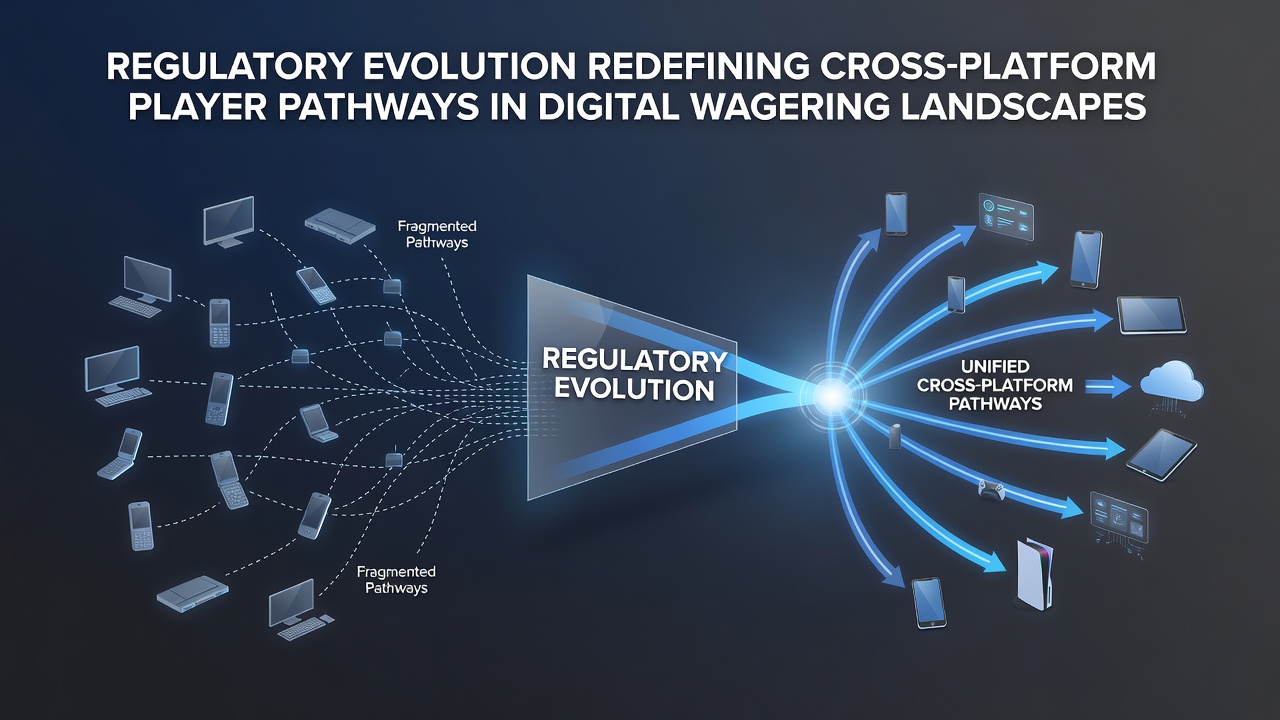
Payment processors have also adjusted settlement procedures because cross-platform sessions often span multiple licensing authorities within a single user journey, and reconciliation now requires timestamped device handoff records that align with each jurisdiction's tax reporting cycles. One case documented by researchers at the University of Nevada, Las Vegas tracked how a single wagering session initiated on a tablet in one state and completed on a desktop in another generated three distinct tax obligations that operators must now automate through updated ledger systems.
Emerging Standards for Data Exchange
International coordination efforts have produced draft templates for standardized data exchange formats that regulators in Canada and Australia are currently evaluating alongside U.S. counterparts, and these templates specify minimum fields for session origin, device type, and verification timestamp without mandating full transaction disclosure. Adoption remains voluntary at present, yet several large operators have begun pilot programs because early compliance positions them for streamlined approvals when the standards become mandatory in subsequent regulatory cycles.
Those who have reviewed the draft documents note that encryption requirements exceed previous benchmarks, which necessitates hardware security module upgrades across data centers that support multi-platform environments. The added infrastructure costs appear in operator filings as capital expenditures allocated to compliance rather than feature development, shifting budget priorities for the remainder of 2026.
Conclusion
Regulatory evolution continues to reshape the technical and operational landscape for cross-platform player pathways, and entities operating in digital wagering must align verification, portability, and reporting processes with jurisdiction-specific mandates that reached key implementation milestones in June 2026. Continued monitoring of enforcement actions and technology adoption rates will determine how these frameworks stabilize over the following reporting periods.